

Step into the world of the Norwegian Vikings. Southern Norway is home to fascinating stories, ancient runestones and remarkable discoveries that bring the Viking Age to life.
These discoveries offer a glimpse into the lives of Norwegian Vikings, from powerful warriors and ancient traditions to the arrival of Christianity. Explore historic sites, uncover stories from the past and discover the Viking heritage that can still be found across Southern Norway today.
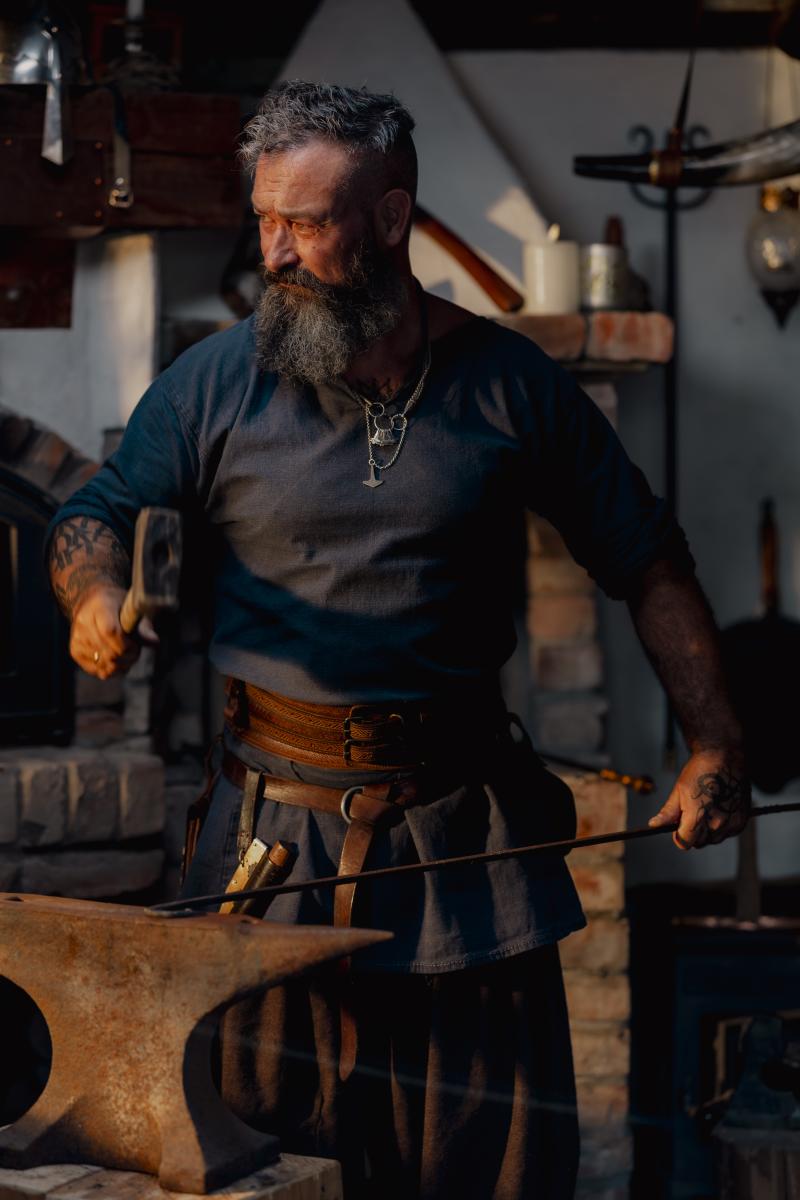
Life in Southern Norway During the Viking Age
The Viking Age lasted from around 800 to 1050 AD, a time of exploration, trade and major changes across Scandinavia. With its long coastline and easy access to the sea, Southern Norway was well connected to the rest of Northern Europe. Viking ships played an important role in everyday life, allowing people to travel across the seas to trade, explore new lands and embark on raids.
But there was much more to Viking life than battles and conquests. Most people were farmers, spending their days fishing, crafting, trading and working the land. Family ties, local chieftains and ancient traditions shaped society. People worshipped Norse gods such as Odin and Thor, but towards the end of the Viking Age, Christianity began to spread and gradually changed the way people lived.
Archaeological discoveries across Southern Norway reveal fascinating details about this period. Ancient weapons, jewellery, burial sites and runestones tell stories of daily life, wealth, beliefs and connections to the wider world. Today, you can still explore traces of this Viking heritage and discover what life was like in Norway over a thousand years ago.
Discover Viking History:
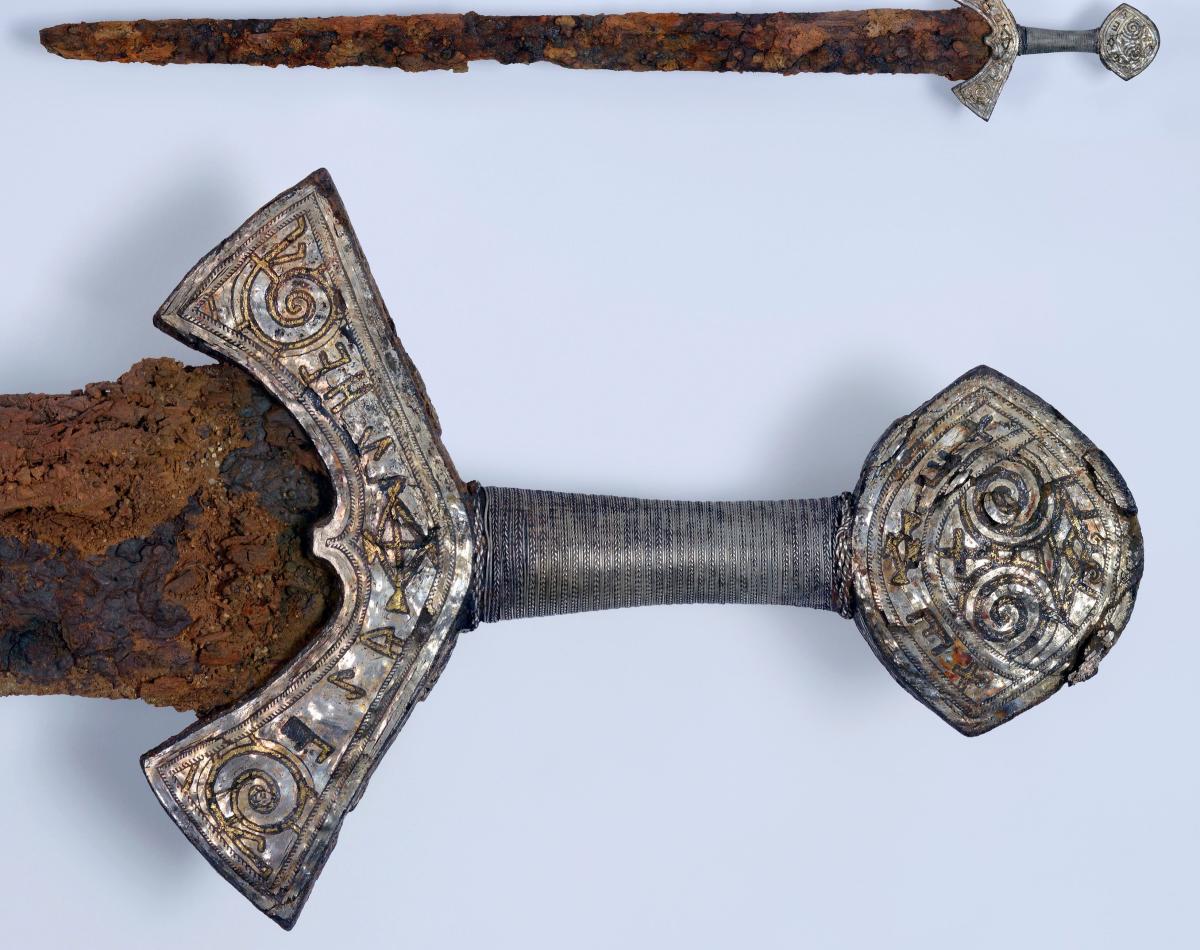
The Langeid Sword – A Remarkable Viking Age Discovery
In 2011, archaeologists uncovered an extraordinary treasure in Langeid, near Bygland in Setesdal. Hidden inside a Viking grave from the early 11th century was an almost complete sword, richly decorated with gold, silver and copper. Its mysterious symbols and Christian imagery offer a fascinating glimpse into a time when Norway was transitioning from Norse beliefs to Christianity.
Who owned this magnificent sword remains a mystery, but its intricate craftsmanship suggests it belonged to someone of high status. Today, the original Langeid Sword can be seen at the Historical Museum in Oslo. Back in Bygland, a striking five-metre-tall sculpture inspired by the sword was unveiled in September 2026, giving visitors a new way to discover this remarkable piece of Norwegian Viking history.
The Galteland Runestone – A Viking Story from England
An ancient runestone from Evje tells the story of a Viking who never returned home from England. Dating back to around 1020 AD, the Galteland Runestone was raised by a man named Arnstein in memory of his son Bjor, who died during King Cnut the Great’s campaign in England.
What makes this runestone particularly fascinating is its inscription, which ends with the words “God is one”. These few words offer a glimpse into the Vikings’ journeys across Europe and a time when Christianity was gradually replacing the old Norse beliefs.
Today, the original Galteland Runestone is preserved at the Historical Museum in Oslo, but you can discover a replica at Verksmoen in Evje. The area is also home to ancient burial mounds, making it a worthwhile stop for anyone interested in Norwegian Viking history.
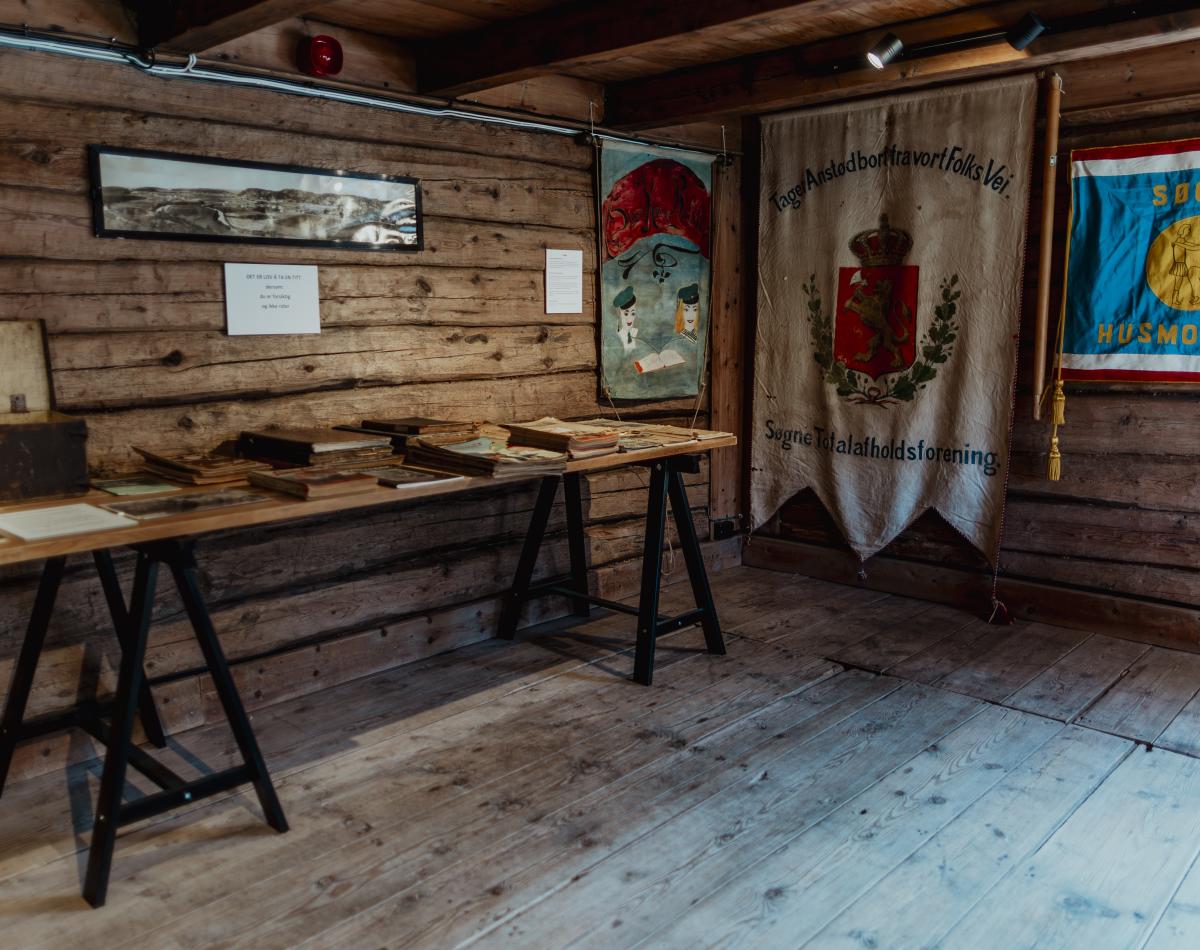
Viking Age Runes – Discover the History of Søgne
Discover a piece of Norway’s Viking history at Søgne Old Rectory in Kristiansand. In the historic courtyard stands the Søgne Runestone, a nearly two-metre-tall stone dating back to the early 11th century. Its runic inscription tells the story of Øyvind, who raised the stone in memory of his son Gunnvald. A personal message that has survived for almost a thousand years.
Søgne Old Rectory has a long history and was already an important farm estate during the Viking Age. Today, it serves as a cultural centre with art exhibitions and events. Take a stroll through the historic grounds, see the runestone for yourself and explore the surroundings of Søgne Old Church.
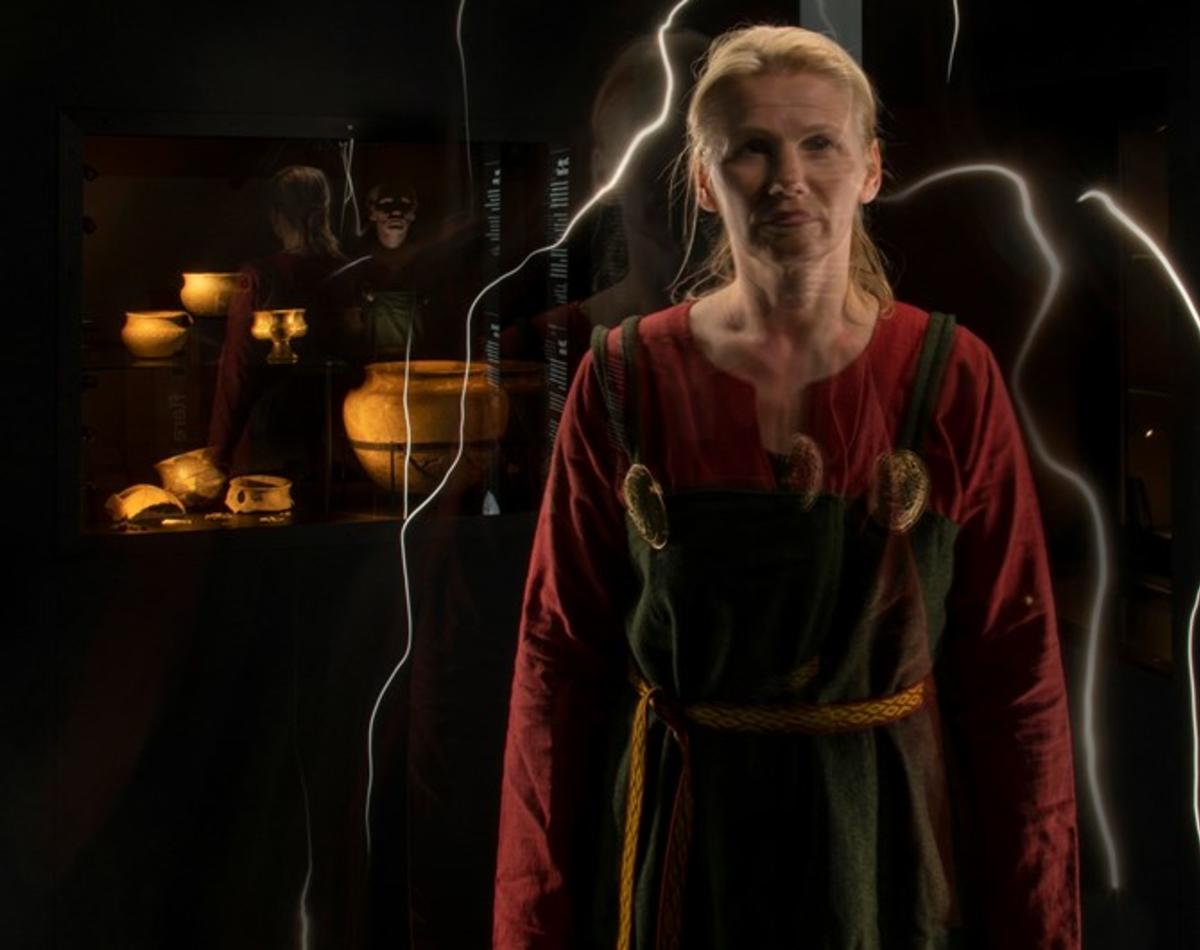
KUBEN in Arendal – From the Stone Age to the Viking Age
Travel back in time at KUBEN Museum in Arendal, where 10,500 years of Southern Norway’s history come to life. The exhibition Livstegn (Signs of Life) takes you on a journey from the region’s earliest settlers to the end of the Viking Age.
Get up close to fascinating archaeological discoveries, including Viking swords, axes, jewellery and objects uncovered in ancient graves. Through these finds, you’ll discover how people lived, what they believed in and how life changed over thousands of years.
Travelling with children? KUBEN also offers fun, interactive activities that make discovering the past an enjoyable experience for the whole family.

Photo:
Hovden Jernvinnemuseum
Hovden Iron Museum – Follow the Viking Trail
Discover how iron and charcoal were produced over a thousand years ago at Hovden Iron Museum. Learn about the ancient iron-making techniques used during the Viking Age and explore an important part of Norway’s Viking history. It's a fascinating experience for visitors of all ages.
Combine your museum visit with a walk along the Viking Trail (Vikingvegen), a scenic 3 km route following the River Otra from Hegni towards the old mountain hotel. Along the way, information boards reveal traces of Viking Age iron production, as well as stories about wild reindeer and life in the mountains. You can walk the entire trail or simply explore a shorter section at your own pace.
Explore More Viking History in Southern Norway
Southern Norway is full of fascinating traces of the Viking Age. Explore the map below to discover more historic sites, archaeological finds and Viking-related experiences across the region.