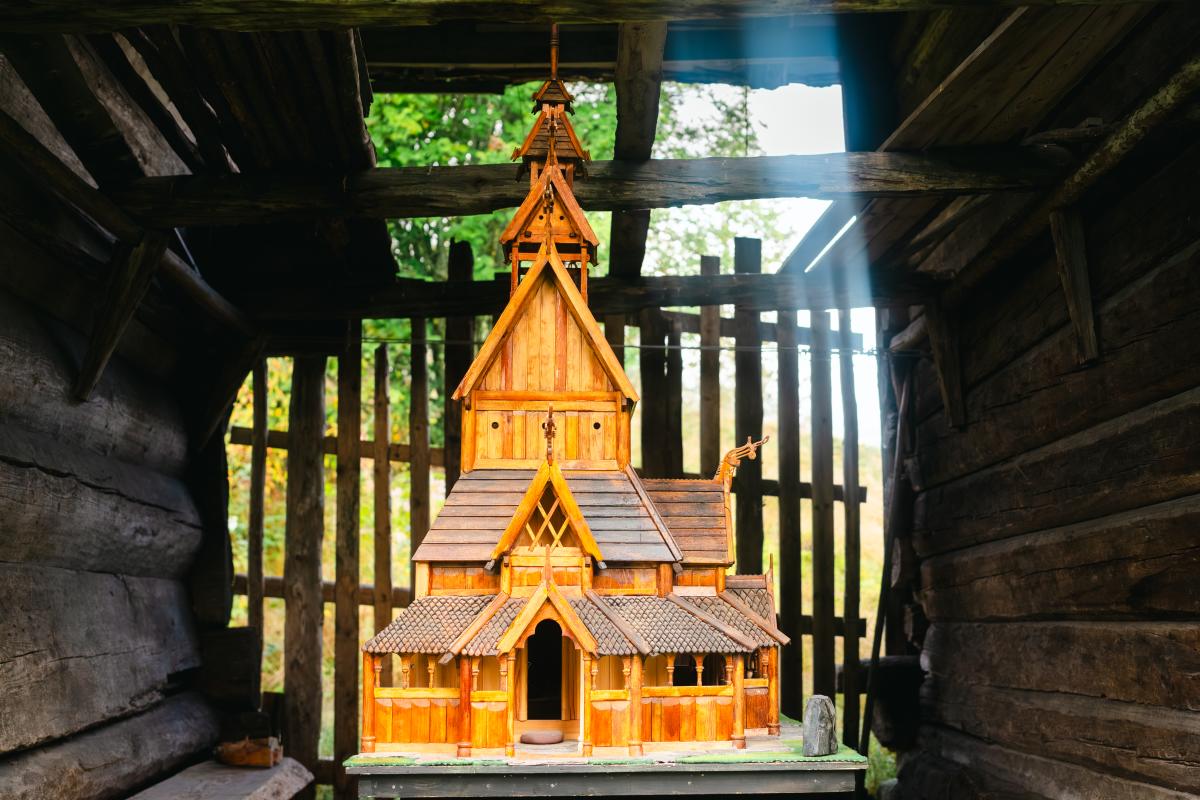
Traditional Craftsmanship Brought Back to Life
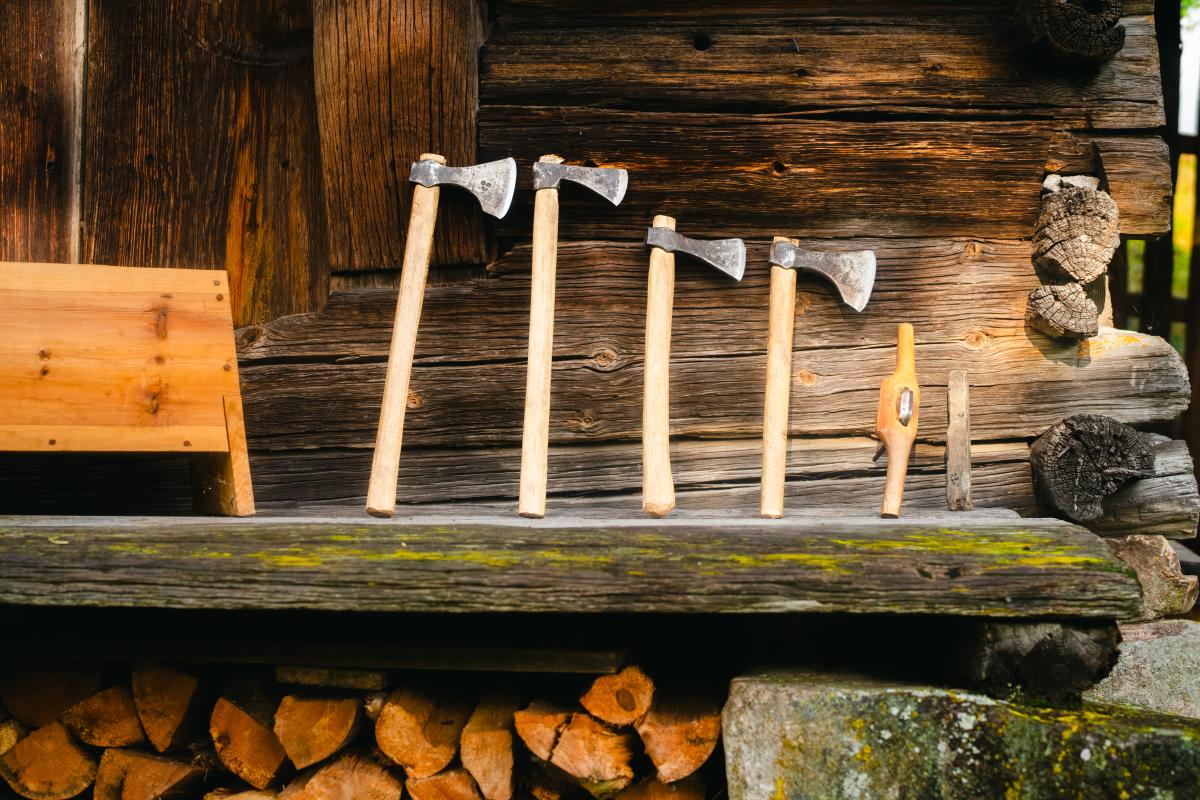
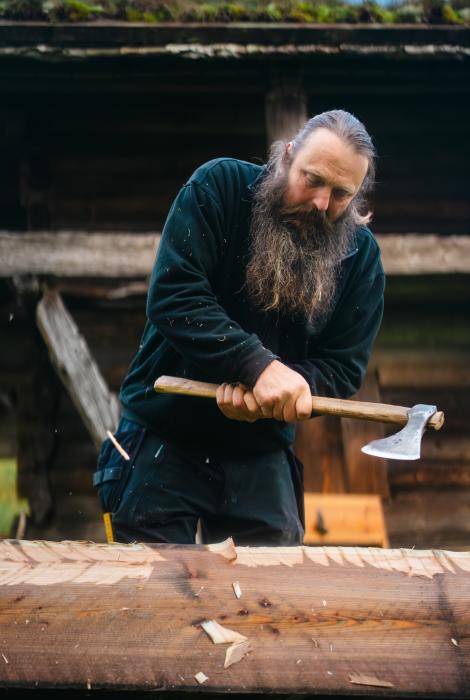
A new stave church is planned for Rysstad in Setesdal. The project aims to build the church the traditional way, using historical techniques and materials. This includes using horses, blacksmiths and axes instead of modern machinery. Construction of this kind has not been carried out in Norway for 800 years. The project will provide a significant boost to cultural tourism in Setesdal and attract increased interest and more visitors to the region.
1,000 People at Work
The stave church is a cultural and historical construction project aimed at preserving and strengthening knowledge of traditional craftsmanship. Setesdal Stave Church will be an attraction even during the building phase, with both upper secondary students and skilled professionals taking part. It is planned that around 1,000 people in total will be involved in the construction.
The stave church is being built as part of a larger documentation and development initiative linked to Norwegian building traditions and intangible cultural heritage. The project is anchored in both local and national expert communities, and its completion will provide a significant boost to cultural tourism in Setesdal.
Museum, Cultural Venue and Educational Space
After the construction period, the stave church will continue to operate as a museum and educational building, as well as a cultural venue for performances showcasing both local and national performing arts.
The building will not be consecrated. This means it will not be inaugurated as a sacred space through a formal church ceremony, but instead used for other purposes. It will also be available for private ceremonies for those who wish to rent it.
The project will remain open to the public throughout the entire building process and will function as an attraction during this period. Visitors will be able to observe activities such as blacksmithing, wood carving and timber fitting, gaining a close up look at traditional craftsmanship in practice. This gives the public valuable insight into the stave church as an important archaeological and historical source.
The Hylestad Portals as the Most Important Source
Setesdal is known for its rich cultural heritage. Human activity in the valley is documented throughout nearly all of prehistory, from the early Stone Age to more recent historical times. It is believed that the stave church in Rysstad was built around 1175, although this is uncertain. Our most important source from this period is the Hylestad portals. These portals formed part of the entrance to the old stave church and are decorated with carved scenes from the legend of Sigurd Fåvnesbane. Sigurd is a heroic figure in both Germanic and Norse tradition, and the motifs have pagan origins.
On the right portal plank, the story of Sigurd is carved in medallions, similar to what we see in manuscripts, paintings and decorative art from English and French sources dating to the late twelfth century. On the left portal plank, the motifs flow more into one another, with stylistic elements known from textile art, including finds from the Oseberg ship.
The Hylestad portals, which will be recreated for Setesdal Stave Church, are considered the most famous church portals from the Norwegian Middle Ages. The design on today’s one krone coin is based on these portals, and both the former fifty krone banknote and earlier postage stamps have featured motifs from them as well. The original portals are now housed at the Historical Museum in Oslo.
Reconstruction of Borgund Stave Church
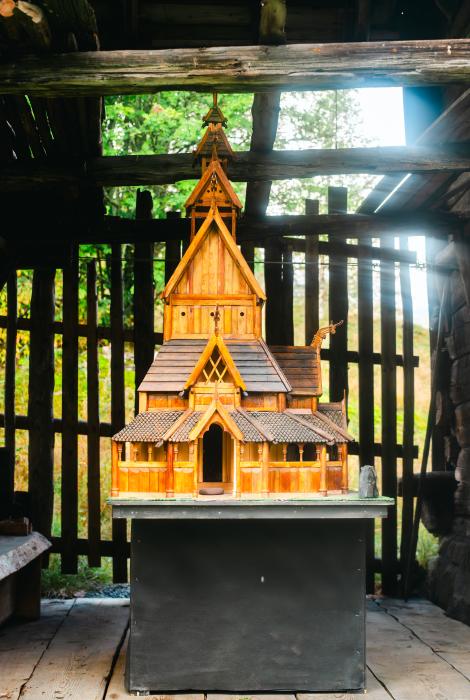
Ground penetrating radar scans of the area at Bjørgum, where Hylestad Stave Church once stood, have provided precise measurements that form the basis for the reconstruction. The new stave church will be built as a processually authentic reconstruction of Borgund Stave Church. The building plans are based on scans carried out by NIKU, offering detailed information about dimensions and any hidden structural elements.
Strong International Interest
Setesdal Stave Church is planned for completion in 2029 or 2030, but the construction site has already attracted international visitors, including tourists and media. Interest from abroad is significant and continues to grow.